Why Slow Living Isn't About Doing Less, It's About Choosing More Deliberately
Slow living gets pictured as an empty calendar and a drastically reduced to-do list, which makes it feel out of reach for anyone with a full schedule, but the actual shift that defines slow living is in how each commitment gets chosen and approached, not how many there are.

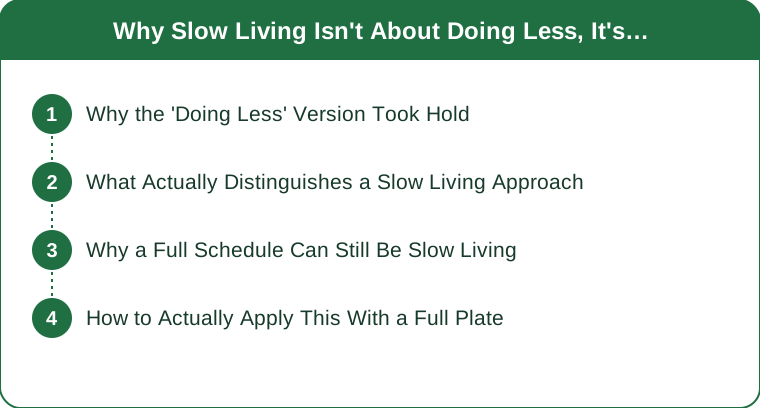
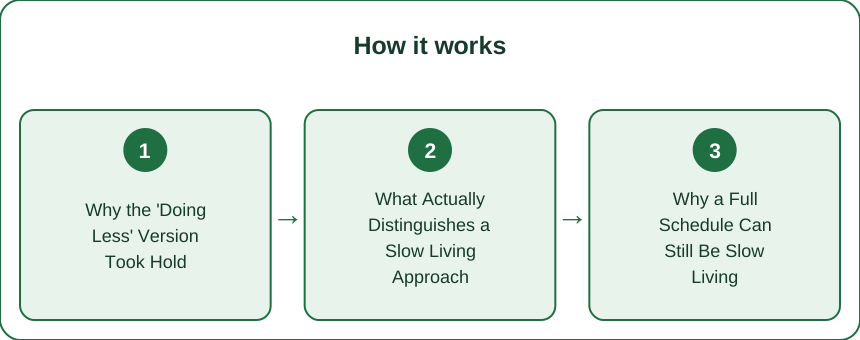
Why the ‘Doing Less’ Version Took Hold
The misconception: slow living content often featuring visibly spacious, low-obligation days, which creates the impression that an empty schedule is the goal rather than one possible expression of it.
What Actually Distinguishes a Slow Living Approach
The real distinction: choosing commitments deliberately, based on genuine value rather than default habit or obligation, and giving full attention to each one rather than half-attention split across many, regardless of how full or light the resulting schedule looks.

Why a Full Schedule Can Still Be Slow Living
The reframe: someone with a demanding job and family responsibilities practicing slow living just as much as someone with an open calendar, provided each commitment was chosen with intention and gets undivided attention while it’s happening.
How to Actually Apply This With a Full Plate
The practical shift: reviewing the week’s commitments and asking which were chosen deliberately versus which were defaults, then bringing full attention to even brief moments, a ten-minute coffee, a short walk, rather than treating attention as something only available in open blocks, and the frame (slow living is about deliberate choice and attention, not an empty schedule — reviewing commitments for intention is what actually makes it accessible with a full plate.)
Slow living gets pictured as an empty calendar and a drastically reduced to-do list, which makes it feel out of reach for anyone with a full schedule, but the real distinction is choosing commitments deliberately, based on genuine value rather than default habit or obligation, and giving full attention to each one rather than half-attention split across many. Someone with a demanding job and family responsibilities can practice slow living just as much as someone with an open calendar, provided each commitment was chosen with intention and gets undivided attention while it’s happening. Reviewing the week’s commitments and asking which were chosen deliberately versus which were defaults, then bringing full attention even to brief moments like a ten-minute coffee, is what actually makes slow living accessible with a full plate.
Keep Reading
This article is for general informational and styling purposes only. Fit, sizing, and product availability may vary.